
Free speech protects a Columbia essay about the Cornell case. It doesn’t make the essay right.
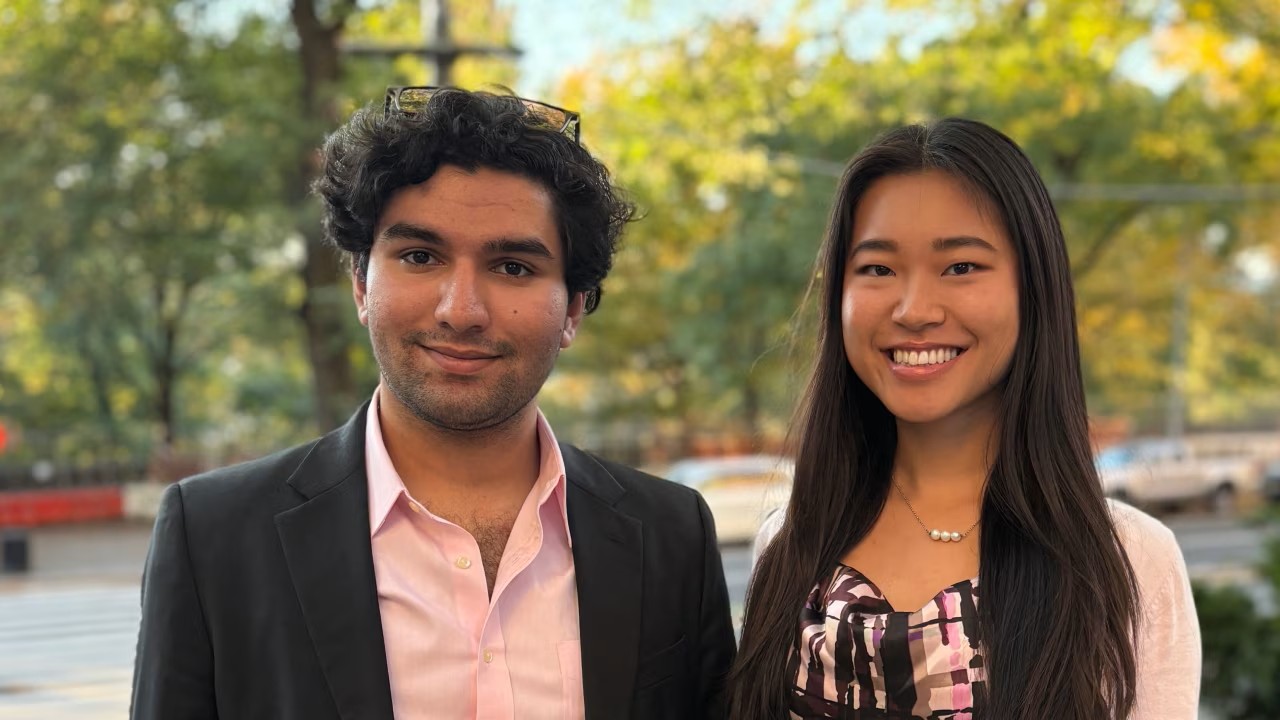
“We’ve been vindicated.” That is how Nikos Mohammadi, a Columbia University junior, described the campus uproar over an essay he and classmate Christina Ma wrote about the “Cornell 7” case, as reported in these pages on Oct. 22. The backlash, they argued, proved their point about a campus where dissent isn’t tolerated.
I believe in free speech. The students had every right to publish. The threats sent their way are indefensible, and a campus free-speech coalition that canceled a press-freedom panel over the controversy embarrassed itself. But “vindicated” is the wrong word. Being shouted at doesn’t make an argument right, and the outrage over the essay isn’t the most important part of this story.
The story is a young woman. Jane Doe, a former Cornell student, alleges that seven fraternity members sexually assaulted her in October 2024. The men deny it. The local district attorney declined to prosecute, and the matter is now under investigation by Cornell and by New York’s attorney general. The accused are entitled to the presumption of innocence. The facts should be settled by investigators and, if it comes to that, by courts.
Mr. Mohammadi and Ms. Ma said they were urging exactly that kind of patience. They warned against rushing to judgment. Then they rendered a judgment of their own, suggesting the night might have been a “reasonably consensual but regrettable encounter.” They argued that women in a liberal society are free to make bad decisions, and that the national reaction was a collective frenzy that infantilizes women.
You can’t counsel restraint and speculate about consent in the same essay. That isn’t skepticism. It is a conclusion wearing skepticism’s clothes.
So I would ask Ms. Ma a simple question: If you were Jane Doe, would you want a stranger to write this about you? If your worst night were described in court filings and argued over by people who had never met you, would you want it held up as a lesson about liberalism? And I would ask Mr. Mohammadi: If Jane Doe were your sister, is “vindicated” the word you would reach for?
These aren’t rhetorical traps. They are the test any writer should apply before turning a living person into an illustration. Jane Doe isn’t a seminar prompt or a test case for heterodoxy. She is someone’s daughter, and her parents are reading what is written about her.
I was at Ground Zero on Sept. 11, 2001. I have written often since about how words have consequences: the road to dehumanization begins when real people become symbols, because symbols are easier to dismiss. That lesson belongs to no political party. It applies to the activists who declared the accused men guilty before any investigation concluded. It applies equally to students who recast the accuser’s account as a cautionary tale about sexual liberation.
Those of us who defend free speech should be careful not to confuse the right to say something with the merit of saying it. A lawyer for the Foundation for Individual Rights and Expression told this newspaper that criticism of the essay was to be expected. Exactly. Criticism isn’t censorship; it is free speech working as intended. Petitions to shut down a student publication and threats against its writers are out of bounds. A firm argument that the essay was callous and wrong is not.
The authors and their defenders cast themselves as free thinkers standing against campus groupthink. But contrarianism can be its own groupthink. Taking the opposite side of a crowd isn’t independent thought. It is following a different crowd, one that reliably applauds. An education as expensive as Columbia’s ought to teach students the difference.
That brings me to Columbia’s new president, Jennifer Mnookin. She took office this summer calling open debate central to a university. At the University of Wisconsin-Madison she launched “deliberation dinners” on hot-button issues, and Columbia now hosts “listening tables,” including one she joined on Oct. 7. Those are worthy efforts. But listening is where leadership begins, not where it ends.
In the past two weeks, her campus has seen staff resignations at a student publication, a petition to shut it down, a canceled free-speech event and threats against two undergraduates. Ms. Mnookin doesn’t need to punish anyone. She needs to say two things clearly and at the same time: Threats against students for what they write are intolerable, and a woman’s account of sexual assault isn’t a debate prop. A university that can say both is teaching students how to disagree. One that says neither teaches them that nothing is out of bounds and nothing is owed.
Here is the line I would draw. Defend speech. Defend due process. Reject intimidation from any direction. And never turn a human being’s suffering into a trophy for having been proven right.
