
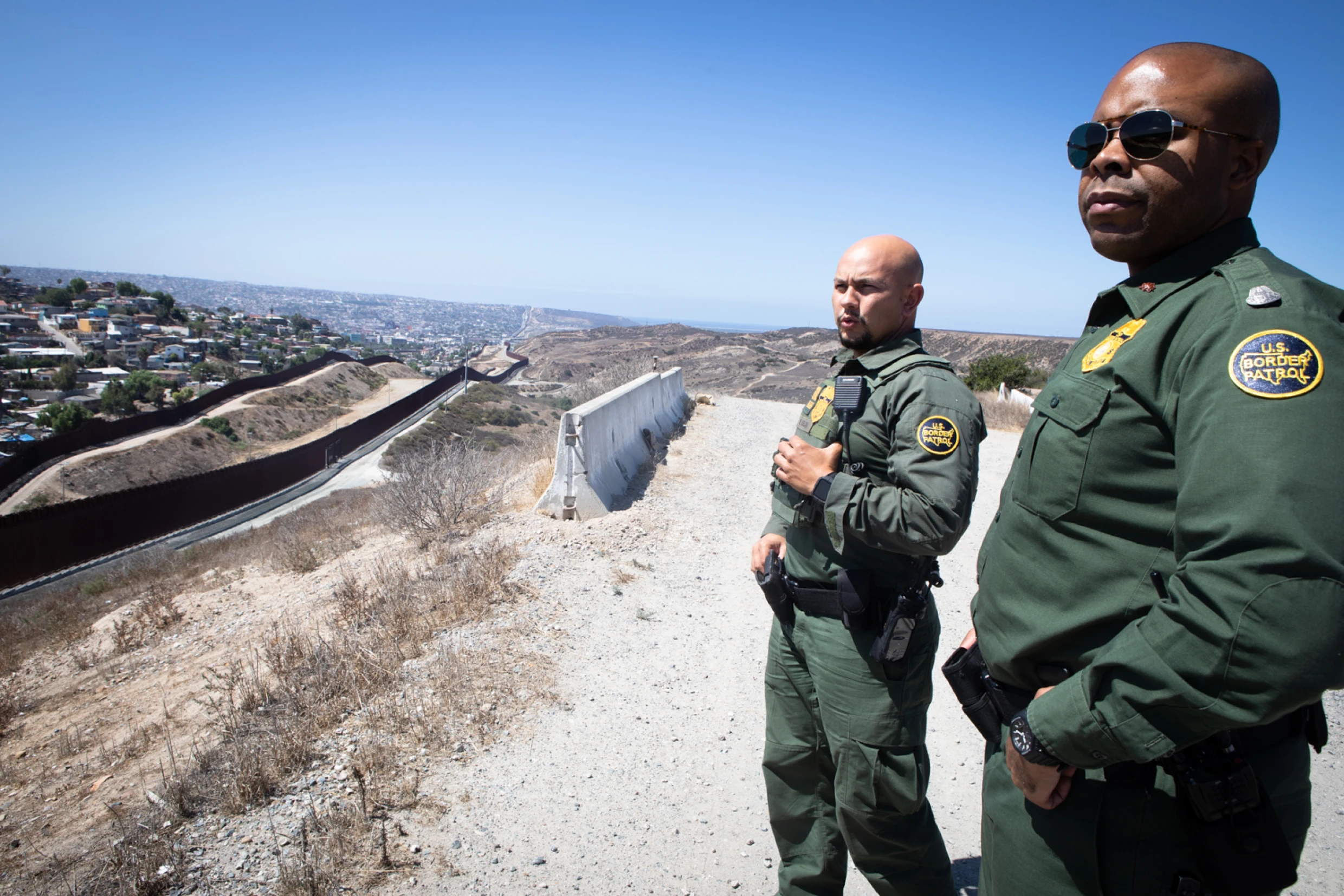
The United States prides itself on being a beacon of freedom and opportunity. But along our southern border, a dual crisis threatens both our national security and the most vulnerable among us: human trafficking and potential terrorist infiltration. While headlines often focus on overall migrant numbers, the data tell a far more alarming story.
In Fiscal Year 2023, U.S. authorities apprehended 169 individuals on terrorist watchlists at the Southwest border, up from 15 in FY 2021. In 2024, eight Tajik nationals with suspected ISIS ties were arrested after crossing the border. Even more concerning are the nearly two million “gotaways,” untracked crossings since 2021. Each unvetted entry is a potential security breach.
At the same time, human trafficking along the southern border is rampant. The State Department estimates that between 14,500 and 17,500 people are trafficked into the U.S. annually, and research suggests 75–80% of unaccompanied migrant children may be exploited.
Human trafficking and potential terrorist infiltration are not separate problems, they intersect. Criminal networks that traffic children and adults are organized, transnational, and deeply connected, and they may provide cover, forged documents, and smuggling routes that terrorists could exploit.
Addressing one problem without the other is incomplete. Anti-trafficking programs that ignore security risks leave an entry point for terrorists. Border security measures that ignore traffickers’ networks miss systemic channels enabling both threats.
We need bold, concrete action:
Independent Oversight of Department of Justice Records. There is no permanent authority empowered to audit DOJ trafficking or terrorism files. Oversight currently depends on political will, congressional pressure, and media scrutiny. Existing mechanisms provide varying levels of oversight, but none have sweeping authority. Congress must establish an independent counsel with full access to sensitive DOJ records to identify gaps, vetting failures, and potential threats.
International Sanctions and Diplomatic Pressure. Countries that enable trafficking, directly or indirectly, must face escalating sanctions: trade restrictions, asset freezes, and limited participation in international forums. Officials complicit in trafficking should lose diplomatic immunity, face travel bans, and targeted financial penalties. Cracking down internationally disrupts trafficking networks and closes channels terrorists could exploit.
Strengthen Screening and Vetting at Ports of Entry. The increase in apprehended watchlisted individuals demonstrates progress but also reveals gaps. Investing in advanced biometric systems, AI-driven risk analysis, and robust background checks will help ensure that terrorists and known traffickers are intercepted before they enter our communities and exploit the southern border as a weak point in national security.
Federal Support to Protect Minors and Vulnerable Populations. Federal funding should support survivor-centered programs administered by trusted organizations, ensuring traffickers cannot exploit loopholes or overwhelmed shelters. Federal support is critical, but it is not fully robust. Funding and staffing for specialized anti-trafficking programs are insufficient to cover all minors at risk, especially during periods of high migration. NGOs and nonprofits often fill gaps but they rely on donations and inconsistent federal grants, creating uneven coverage. Because of this, the federal government should take steps to ensure consistent and adequate funding to close service gaps.
The southern border should not be a gateway for exploitation or terror. These intertwined crises demand solutions that are urgent, comprehensive, and compassionate. By combining independent oversight, international pressure, robust vetting, and survivor-centered care, we can protect both our nation and those who need it most.
Every trafficker stopped, every terrorist intercepted, and every child protected is a step toward a safer, more secure America. The time to act is now.
Kristi Wells is co-founder and CEO of Safe House Project. Dr. Chris Meek is founder of The 9/11 Legacy Foundation and host of the Next Steps Forward podcast.
